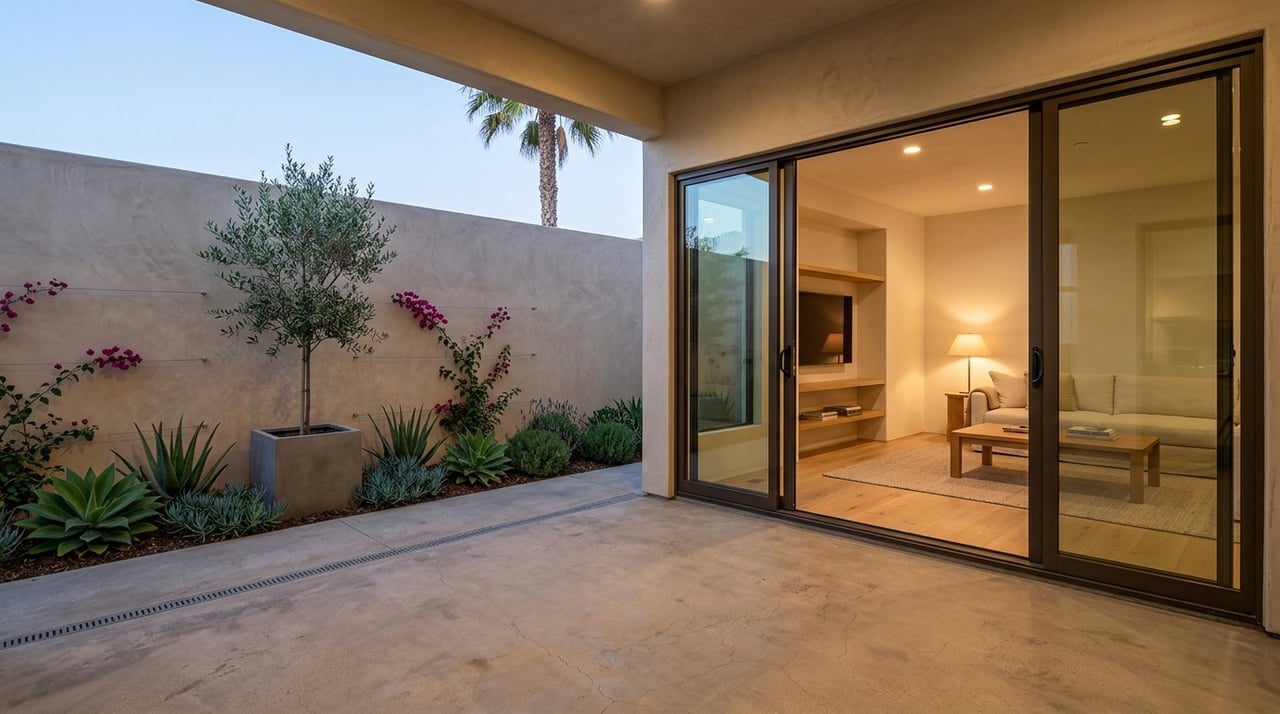
If you are selling a home in coastal Encinitas, one big mistake can cost you time and leverage: treating the city like one market. A home in Leucadia, a property in Cardiff, and a listing west of I-5 in Old Encinitas may all be close to the coast, but they do not compete the same way. If you want to price smart, market well, and reduce buyer hesitation, you need to think submarket first. Let’s dive in.
Why coastal Encinitas sells in micro-markets
Encinitas stretches along roughly six miles of Pacific coastline and includes Old Encinitas, Cardiff-by-the-Sea, Leucadia, Olivenhain, and New Encinitas. The city also describes Downtown 101 as a historic coastal shopping district, which helps explain why walkable, beach-close areas often behave differently from inland homes.
That difference is not just about lifestyle. Encinitas says most of the city lies within the Coastal Zone, and the Local Coastal Program shapes how development, improvements, and some property conditions are reviewed. For sellers, that means location can affect value, buyer interest, disclosure questions, and even how past remodel work is viewed.
Broad citywide numbers only tell part of the story. As of April 2026, Encinitas showed a median listing price of $2.495 million, 209 homes for sale, 30 median days on market, and a 100% sale-to-list ratio. Those numbers are useful, but they can blur meaningful differences between one coastal pocket and another.
Why submarket pricing matters
If your home is in coastal Encinitas, pricing from the citywide median alone can leave money on the table or slow your sale. Public market snapshots show clear variation by area, even within the same coastal city.
Here is a quick look at April 2026 public market benchmarks:
| Submarket | Median Listing Price | Median Days on Market | Sale-to-List Ratio |
|---|---|---|---|
| Encinitas overall | $2.495M | 30 | 100% |
| 92024 ZIP | $2.644M | 32 | 99% |
| Leucadia | $2.83995M | 33 | 101% |
| Cardiff | $2.44945M | 26 | 97% |
These numbers show why pricing needs context. A seller in Leucadia is entering a different comparison set than a seller in Cardiff, even if both homes are coastal. The right list price should reflect your exact location, condition, access, lot utility, and how buyers are likely to compare your home against nearby listings.
Selling in Leucadia
Leucadia continues to stand out as a premium coastal submarket. In April 2026, public data showed a median listing price of $2.83995 million, 63 homes for sale, 33 median days on market, and a 101% sale-to-list ratio. Realtor.com also reported a median sold price of $3.0 million, which was above the median list price in that same snapshot.
That does not mean every Leucadia home should push pricing aggressively. A premium market still rewards precision. Buyers in this segment tend to compare frontage, privacy, condition, access, outdoor usability, and the overall feel of the property very closely.
There is also a practical factor sellers should not ignore. The city’s North Coast Highway 101 drainage and streetscape work in Leucadia is expected to continue through late summer or fall 2026, and the city warns that traffic control, noise, dust, and driveway or business access impacts should be expected during construction.
If your property is affected by that corridor activity, your launch strategy matters. You may need stronger preparation, better photography, tighter showing coordination, and clear communication about access so buyers stay focused on the home rather than the inconvenience around it.
What Leucadia buyers often compare
When buyers look at Leucadia listings, they often weigh more than square footage. In a data-rich coastal market, details can shape both interest and perceived value.
Key comparison points often include:
- Proximity to the coast and Highway 101 corridor
- Frontage, privacy, and ease of access
- Condition and quality of updates
- Parking and outdoor living utility
- Whether the home stands out clearly against nearby active listings
Selling in Old Encinitas and west-of-I-5 areas
Old Encinitas has a different appeal and a different value story. The city identifies Old Encinitas as one of the founding communities that make up Encinitas, and its downtown district remains a century-old coastal shopping area. In public listing data, homes in this coastal core are often described as west of I-5 or west of 101.
For a practical benchmark, the 92024 ZIP remains the strongest public proxy in the available data. In April 2026, that ZIP showed a median listing price of $2.644 million, 32 median days on market, and a 99% sale-to-list ratio.
In these west-side areas, buyers are often responding to more than bedroom count or interior size. Presentation of vintage charm, lot utility, parking, and permit history can matter as much as the square-footage story. If your home has character features, usable outdoor space, or a well-documented remodel history, those points should be positioned clearly from day one.
What can strengthen an Old Encinitas listing
Older coastal homes often raise more buyer questions, especially when additions or renovations have been completed over time. That is why preparation can directly support pricing.
Before listing, it can help to organize:
- Permit records for remodels or additions
- Contractor invoices and improvement timelines
- Drainage or stabilization records, if applicable
- A clean summary of upgrades and maintenance
- Parking and lot-use details that buyers can understand quickly
Selling in Cardiff and nearby coastal pockets
Cardiff has its own rhythm. In April 2026, public data showed a median listing price of $2.44945 million, 25 homes for sale, 26 median days on market, and a 97% sale-to-list ratio. That pace suggests solid demand, but it also points to the need for careful positioning.
Nearby coastal pockets may perform differently, even when pricing looks similar at first glance. South Beach, for example, showed a median listing price of about $2.25 million, 52 homes for sale, and a 52-day median time on market. That longer timeline is a reminder that coastal buyers can get selective quickly when a home’s location, access, or presentation feels less compelling than competing options.
The city’s Cardiff State Beach Living Shoreline Project also adds useful local context. The project was designed to address frequent flooding and erosion along South Coast Highway 101, protect the road from storm damage, and improve coastal resiliency.
For sellers, that means buyers may pay close attention to setting-specific questions. Views, beach access, parking, recent upgrades, and any conditions related to shoreline or access can influence both interest and negotiation.
Cardiff listing details that deserve attention
In Cardiff-area marketing, specifics often do more work than general language. Buyers usually want a clear picture of how the home lives and how the location functions.
Your marketing should clearly address:
- View orientation and outdoor experience
- Access to nearby coastal amenities
- Parking configuration and convenience
- Recent property improvements
- Any location-specific factors buyers may ask about early
Coastal permits and disclosure can affect your sale
In Encinitas, coastal location is not just a backdrop. It can shape permitting, renovation history, and disclosure preparation.
The city says most of Encinitas lies within the Coastal Zone. It also states that the Coastal Bluff Overlay Zone applies where site-specific analysis identifies a coastal bluff, and that many projects near bluff edges are restricted, including a 40-foot setback from the top edge of a coastal bluff for many improvements.
The city’s residential remodel policy adds another layer. In the Coastal Zone, removing more than 50 percent of a structure’s exterior walls can trigger a Coastal Development Permit. Many improvements between the ocean and the first public road, or within 300 feet of a beach, may also require a Coastal Development Permit unless exempt.
Even some interior remodels may lose their exemption if they involve work within 50 feet of coastal bluffs or other sensitive areas. That is why permit history can become a major buyer question in coastal Encinitas.
California sellers also have disclosure obligations. The state requires a Real Estate Transfer Disclosure Statement addressing property condition and a Natural Hazard Disclosure Statement for mapped hazards. The state also notes that these forms do not replace all seller disclosure duties.
What to gather before your home goes live
A well-prepared document packet can help reduce uncertainty and keep negotiations cleaner. If your home is in a coastal Encinitas submarket, it is smart to start early.
Try to assemble:
- Permit records and approved plans
- Renovation and repair receipts
- Contractor invoices and warranties
- Drainage, retaining, or stabilization documentation
- HOA approvals, if applicable
- Any coastal approvals tied to past work
Marketing your home by submarket
The strongest coastal listings usually tell a focused story. In Encinitas, that story should match the submarket rather than rely on generic coastal language.
For some homes, the winning angle is lifestyle. That may include walkability to the village, proximity to Highway 101, beach-close living, or outdoor entertaining. For others, the better angle is land utility, privacy, parking, or a documented history of thoughtful updates.
In certain locations, resilience and planning context also matter. Coastal erosion, sea-level rise, narrowed beaches, and bluff instability are part of the city’s public coastal management framework. Sellers do not need to overstate those issues, but they do need to be ready for informed buyer questions.
This is where tailored marketing and disciplined pricing work together. When your visuals, documentation, pricing, and property story all line up with the right buyer expectations, you give your listing a better chance to launch with confidence.
The bottom line for Encinitas sellers
If you are selling in coastal Encinitas, the smartest approach is rarely citywide first. It is submarket first. Leucadia, Old Encinitas, west-of-I-5 pockets, Cardiff, and nearby coastal areas each compete on slightly different terms.
That means your sale strategy should reflect where your home sits, how it compares, what buyers are likely to question, and which features deserve the spotlight. With the right pricing, preparation, and presentation, you can meet the market more clearly and put your home in a stronger position from the start.
If you are preparing to sell in Encinitas and want a tailored strategy for your specific coastal submarket, Connie Sundstrom can help you price, position, and present your home with the detail and care it deserves.
FAQs
How should you price a home in coastal Encinitas?
- You should price from your specific submarket first, not just the citywide median, because public data shows meaningful differences between Leucadia, Cardiff, and the broader 92024 coastal area.
What makes Leucadia different for home sellers?
- Leucadia showed a higher median listing price and a 101% sale-to-list ratio in April 2026, but sellers also need to account for competition, property-specific features, and ongoing Highway 101 construction impacts.
What matters most when selling in Old Encinitas?
- In Old Encinitas and west-of-I-5 areas, buyers often focus on charm, lot utility, parking, and permit history, not just square footage.
Why do Cardiff-area homes sometimes take longer to sell?
- Cardiff proper showed a faster market profile than some nearby coastal pockets, which suggests that access, location details, and property presentation can affect time on market even within close geographic areas.
Do coastal Encinitas sellers need permit records?
- Yes, permit and renovation records can be especially important in coastal Encinitas because Coastal Zone rules may affect what improvements required approval.
What disclosures apply when selling a home in California?
- California requires a Real Estate Transfer Disclosure Statement and a Natural Hazard Disclosure Statement, and the state notes that these forms do not replace all seller disclosure obligations.